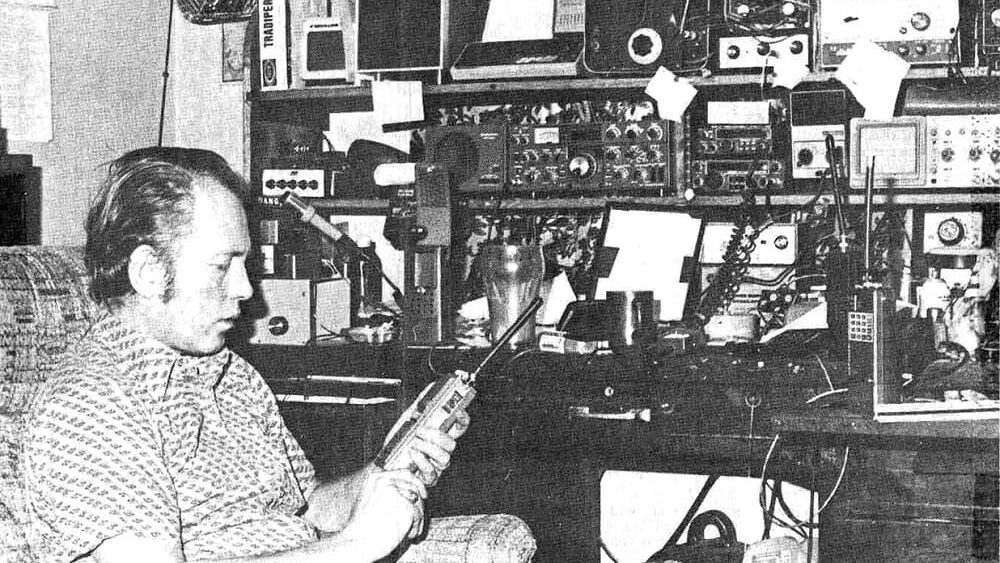
Amateur radio has been around for well over a century, and knowing a bit of its history actually helps explain why the hobby looks the way it does today. A lot of the culture, terminology, and even some of the rules trace back to how things got started.
This isn't meant to be a deep dive, just a quick rundown of how we got from early experimenters to the ham radio operators you see today.
The Early Days
Radio itself started coming together in the late 1800s, with people like Guglielmo Marconi proving that wireless signals could travel real distances. Once the basic idea was out there, a lot of hobbyists and tinkerers started experimenting with their own equipment, building transmitters and receivers at home.
In the early 1900s, this experimentation wasn't really regulated. Anyone with the knowledge and equipment could build a radio setup and start transmitting. This period is often looked back on as the true wild west of radio, with amateurs, commercial operators, and early government stations all sharing the same unregulated, chaotic airwaves.
Radio During Wartime
Amateur radio has a long history tied to major world events, particularly the World Wars. During both conflicts, amateur transmissions were restricted or banned entirely in many countries, since governments were understandably cautious about unregulated radio communication during active conflict.

At the same time, many amateur operators used their skills to support military communication efforts, either through formal enlistment or by assisting with technical training. This connection between amateur radio and emergency or military communication support has continued in various forms ever since, and it's part of why amateur radio is still valued today during natural disasters and emergencies.
Regulations Become Prevalent
As more people started transmitting, interference became a real problem. Signals overlapped, radio waves got garbled and twisted all up in each other, and it became clear that some kind of structure was needed, especially once radio started being used for things like ship-to-shore communication.
This led to early regulations, including licensing requirements and assigned frequency bands. In the US, this eventually became formalized through bodies like the FCC in the US, the Bundesnetzagentur in Germany, the Ministry of Communications in the USSR, and many more.
Interestingly, amateurs were originally pushed into what were considered less useful frequencies, the higher frequency bands that commercial operators didn't want. It turned out those bands were actually excellent for long distance communication, something amateurs discovered and helped prove through their own experimentation.
The Rise of Modern Ham Radio
After World War II, amateur radio saw a big resurgence. Surplus military equipment became available, technology kept improving, and licensing processes became more standardized and accessible.
This era also saw amateur radio organizations, like the ARRL in the US and similar groups internationally, grow into influential voices representing the hobby to regulators and the public. These organizations played a big role in preserving spectrum access for amateurs as commercial and government use of radio kept expanding.
From Vacuum Tubes to Digital Modes
The technology behind amateur radio has changed massively over the decades. Early stations relied on bulky vacuum tube equipment, which eventually gave way to solid state electronics, making radios smaller, cheaper, and more efficient.
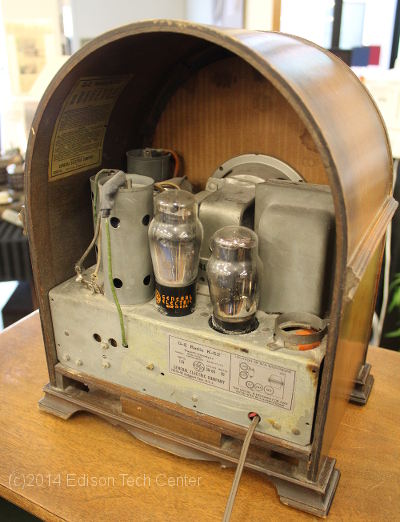
More recently, the hobby has expanded well beyond traditional voice and Morse code operation. Digital modes, satellite communication, and now software defined radio have all become normal parts of the hobby, something early amateurs experimenting with spark gap transmitters could barely have imagined.
Why This History Still Matters
Understanding where amateur radio came from helps explain a few things about the hobby today:
- Why amateurs still have access to a wide range of frequency bands, something earned through decades of proving their value
- Why emergency communication is such a core part of ham culture
- Why there's still a strong culture of experimentation and self-taught technical knowledge within the hobby
Amateur radio wasn't just handed to hobbyists, it was shaped by them, often through trial, error, and genuine scientific curiosity.
Wrapping Up
From backyard experimenters in the early 1900s to today's mix of voice, digital, and software defined operators, amateur radio has constantly evolved while keeping its core spirit intact, people learning how radio works by actually getting on the air and trying things themselves.
Knowing this history isn't necessary to enjoy the hobby, but it does add some context to why things are set up the way they are, and honestly, it's a pretty interesting story on its own.